News
Use a FM Notch Filter to Improve the Performance of your Software-defined Radio
Posted by GPIO Labs on


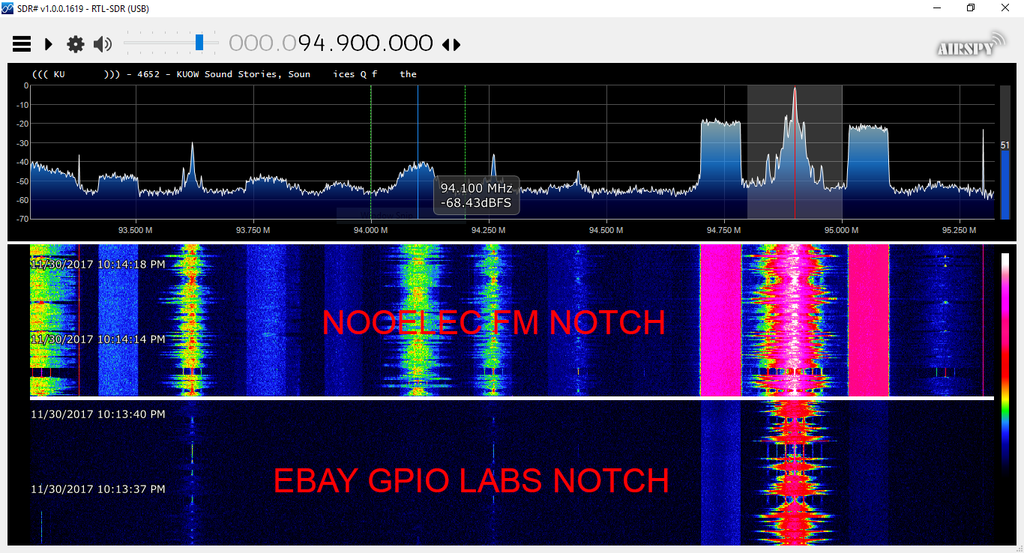
FM radio is one of the most popular broadcast technologies out there. FM broadcast signals in most places in the world occupy the frequency range from 87.5 MHz to 108 MHz. These signals also happen to be very strong and overwhelm or saturate the receiver in a software-defined radio or RF receiver. This in turn impacts signal reception. You might for instance hear static instead of audio. If a user does not want to listen in to the FM broadcast band, then one way to mitigate the effect of this strong band of signals is to suppress or 'notch' them...
Which Amplifier Should You Use With Your HackRF? (2026 Guide)
Posted by GPIO Labs on


Updated June 2026 The HackRF One covers 1 MHz to 6 GHz with both transmit and receive capability, and it remains one of the most versatile SDRs you can own. But its stock sensitivity and output power leave real performance on the table. The right external amplifier fixes both, and the wrong one can damage your SDR. This guide tells you exactly which amplifier to use for your setup, what it costs, and the precautions that protect your HackRF. Quick answer: which amplifier for your HackRF? Your use case Recommended product Key spec Price Receiving below 4 GHz (best...
Helium Amplifier Benchmarking
Posted by GPIO Labs on

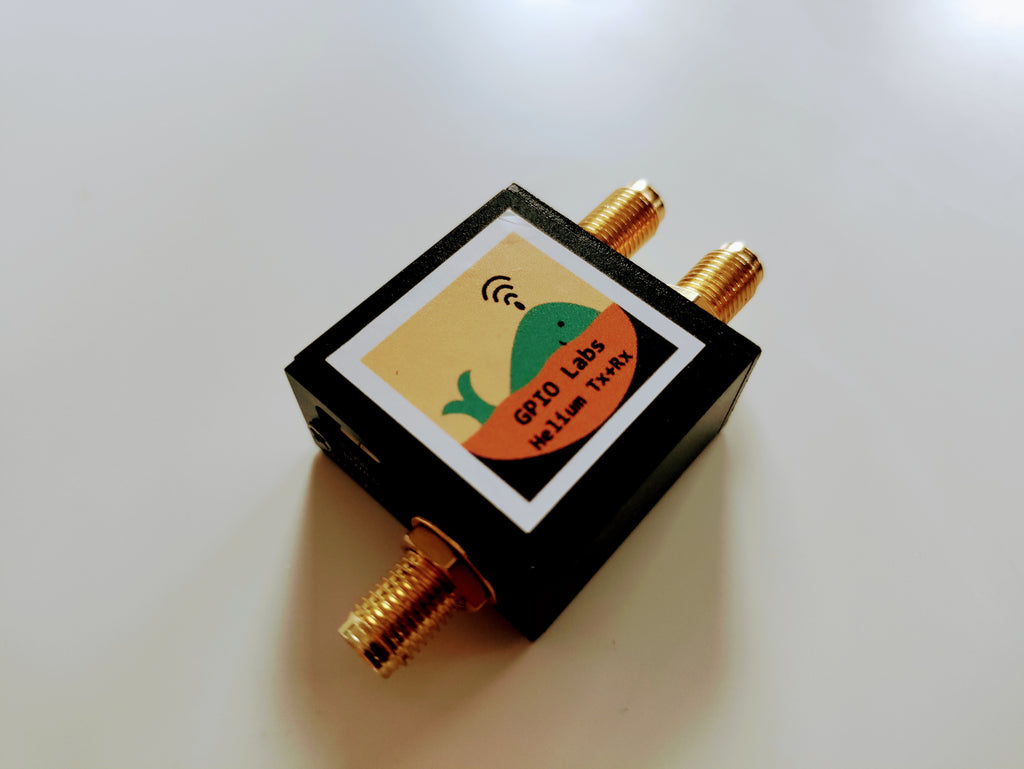
Last update on April 23, 2022 We've got some prototypes of our new Helium amplifier in-house and they are currently being tested. Over the past month we have been studying the performance of a Helium Miner with and without the amplifier. The miner is placed in the attic with the stock plastic antenna that has 3 dBi gain. Test Results We looked at the RSSI vs SNR values for one particular hotspot's beacons over time. Here are the results with and without the amplifier The measured gain of the amplifier (in the lab) is about 13 dB...
Hydrogen Line (1420 MHz) Pre-filtered LNA
Posted by GPIO Labs on